
World Cup 2026 Groups: Complete Draw Analysis and Predictions
 Available in US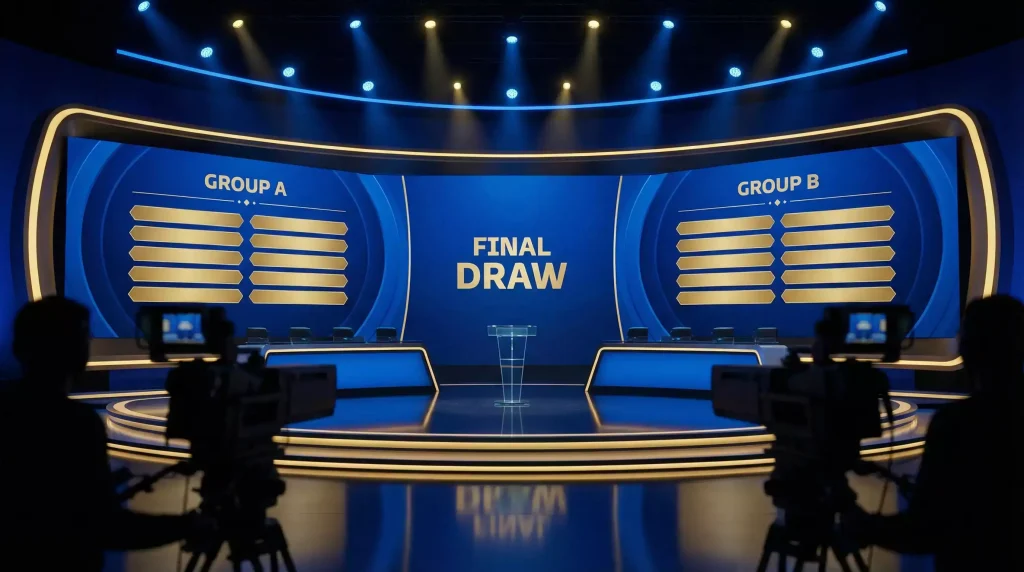
Table of Contents
The draw ceremony in Zurich lasted 90 minutes. I watched every second, phone calculator ready, cross-referencing pot assignments with historical head-to-head records, scribbling notes about which matchups favored underdogs and which groups screamed “death.” By the time the final ball emerged from the final pot, the 2026 World Cup’s competitive architecture was fixed — 12 groups, 48 teams, paths to glory and paths to heartbreak crystallized in plastic spheres.
These World Cup 2026 groups tell stories before a single match kicks off. Canada drawing Switzerland instead of Italy after the Azzurri’s shocking playoff exit. Argentina landing the tournament’s easiest path to the Round of 32. England and Croatia meeting again in Group L — their third consecutive major tournament encounter. The draw created narratives that will dominate football conversation until June 11th.
What follows is my complete breakdown of all 12 groups: the death groups, the life groups, and everything between. I’m analyzing qualification probability for each team, identifying where bookmakers have mispriced outcomes, and flagging the groups where upsets will cascade through the knockout bracket. Whether you’re betting group winners, tracking your home nation, or mapping potential paths to the final, this analysis covers the entire landscape. For detailed profiles on every nation, see our complete World Cup 2026 teams guide.
The format change from 32 to 48 teams creates new dynamics worth noting upfront. Eight third-place teams advance alongside the top two from each group — that’s 32 teams progressing to the knockout rounds. The math matters: finishing third in a strong group might produce a better Round of 32 seed than winning a weak group. Understanding these structural incentives helps predict how teams will approach their final group matches.
What the Draw Revealed: Winners and Losers
Every World Cup draw produces winners and losers — teams whose paths eased and teams whose tournament became harder before it started. The 2026 draw’s biggest winner wasn’t even in the ceremony: Canada benefited from events that happened months earlier when Italy lost to Bosnia and Herzegovina on penalties. Les Rouges expected Group B to include European championship contenders. Instead, they face Switzerland as the only traditional power, with Qatar and Bosnia completing a navigable foursome.
Argentina emerged as the draw’s clearest beneficiary among seeded nations. Group J pairs the defending champions with Austria, Algeria, and Jordan. None of those opponents ranked in FIFA’s top 30 at draw time. Austria’s pressing system can cause problems, but Argentina should cruise through group stages with rotation opportunities that protect key players for knockouts. Compare that to Spain’s Group H draw alongside Uruguay — two legitimate contenders meeting before either reaches elimination rounds.
Germany needed draw fortune after back-to-back group stage exits, and Group E delivered. Ecuador, Ivory Coast, and Curaçao offer manageable challenges. Ecuador’s young core impressed in 2022 qualification but lack tournament experience. Ivory Coast won AFCON 2024 but face different conditions in North America. Curaçao makes their World Cup debut with under 150,000 citizens to draw from. Germany should advance comfortably — whether that actually translates to knockout success given their recent history remains the real question.
The draw’s losers clustered around Group F and Group L. Netherlands, Japan, Sweden, and Tunisia create arguably the tournament’s most competitive group — four teams capable of knockout round advancement trapped together. Someone good goes home after three matches. Similarly, Croatia drawing England again feels cruel for both nations. Their 2018 semifinal and Euro 2020 group stage history means tactical familiarity that eliminates surprise factor. Ghana and Panama complete Group L, ensuring neither European giant gets comfortable passages.
Morocco’s Group C draw against Brazil represents the highest-profile group stage clash between 2022 quarterfinalists. The Atlas Lions proved they can beat anyone in Qatar. Now they must prove it wasn’t a one-tournament anomaly. Scotland and Haiti complete the group — manageable opponents that make qualification achievable for Morocco despite the Brazil challenge.
Groups of Death: Where Dreams Go to Die
Not every difficult group qualifies as a “Group of Death.” The term should reserve for groups where three or four teams have legitimate advancement claims — where quality must go home early, where the football world loses teams they expected to see in knockout rounds. By that definition, World Cup 2026 contains two genuine Groups of Death and one near-miss.
Group F earns the designation most clearly. Netherlands, Japan, Sweden, and Tunisia each bring credentials that justify Round of 32 expectations. The Dutch reached the 2022 quarterfinals and remained competitive throughout. Japan beat Germany and Spain in group stages before losing to Croatia on penalties — no team scored more impressive victories in Qatar. Sweden missed 2022 but qualified for three of the previous four World Cups, bringing tournament experience that matters. Tunisia held Denmark to a draw and nearly upset France in 2022. This group features no weak links, no comfortable three points, no matches where favorites can rest starters. Someone good finishes fourth and goes home.
I have Netherlands and Japan advancing, with Sweden’s physical style potentially better suited for knockout rounds than group-stage tactical battles. Tunisia’s ceiling caps at third place, but they could steal enough points to complicate everyone’s math. If you’re betting Group F outcomes, understand that volatility favors longshots — Japan at +350 to win the group offers value against Netherlands at -120.
Group L qualifies as the second Group of Death based on recent tournament performance. England reached Euro 2024 final and 2018 World Cup semifinal. Croatia finished third in 2022, reached the 2018 final, and has produced more knockout round success than any team their size should. Ghana and Panama seem like supporting characters, but Ghana’s physical athleticism matches well against European opponents, and Panama’s CONCACAF tournament experience includes beating Mexico in 2022 Gold Cup. This group promises intensity because everyone enters knowing what advancement requires.

Group H narrowly misses Group of Death status only because the gap between Spain/Uruguay and Saudi Arabia/Cape Verde feels larger than other competitive groups. But that Spain-Uruguay clash on matchday two could determine first place, second place, and momentum heading into knockouts. These teams don’t like each other — their historical meetings carry an edge that neutral observers might miss. If Saudi Arabia replicates their 2022 Argentina upset magic against either favorite, Group H chaos becomes possible.
Groups of Life: The Easiest Paths to Round of 32
If Groups of Death punish quality teams with difficult draws, Groups of Life reward others with passages that practically guarantee advancement. The 2026 draw created several groups where one or two teams should coast to the knockout rounds — and recognizing these situations prevents you from overvaluing advancement odds that bookmakers have already priced accurately.
Group J offers Argentina the tournament’s easiest path. Austria, Algeria, and Jordan present challenges rather than threats. Austria’s pressing system under Ralf Rangnick impressed during Euro 2024 qualification, but they’ve never beaten South American opposition in meaningful matches. Algeria’s passionate supporters and technical midfielders can cause problems, but their best players have aged since their 2014 World Cup Round of 16 run. Jordan makes their World Cup debut and will likely view any points earned as success. Argentina could rotate aggressively throughout group stages, protecting Messi’s minutes while still advancing as group winners.
Group E gives Germany similar comfort. Ecuador’s young talents — Moisés Caicedo, Kendry Páez — represent future potential more than immediate threat. Ivory Coast won AFCON 2024 but face climate adjustment traveling from African heat to North American venues. Curaçao’s population couldn’t fill a single end of MetLife Stadium. Germany advances easily; whether they can convert that easy passage into knockout round success given recent collapses remains the real question. Betting Germany to win Group E at -200 ties up capital better deployed elsewhere. Betting them to reach quarterfinals at +150 offers more value relative to probability.
Group A favors Mexico with South Korea, South Africa, and Czechia providing manageable opposition. Mexico plays the tournament opener at Estadio Azteca — home advantage, altitude adjustment, crowd energy all tilting toward El Tri. South Korea’s form has declined since Son Heung-min’s peak years. South Africa’s rebuild continues without clear timelines. Czechia qualified through playoffs without convincing performances. Mexico should advance, though whether they finally break the Round of 16 curse matters more than group stage success.
Group B emerged as a “Group of Life” only after Italy’s qualifying exit. Switzerland, Canada, Qatar, and Bosnia and Herzegovina create a group where Switzerland favorites and Canada hosts should both advance. Qatar’s 2022 home World Cup disaster — three losses, one goal scored — suggests tournament football overwhelms them away from controlled environments. Bosnia’s playoff victory over Italy showcased spirit but not sustained quality. Canada enters with legitimate first-place ambitions if their young core performs.
The Host Nations: How USA, Mexico, and Canada Fared
Host nations historically overperform at World Cups. South Korea reached the semifinals in 2002. Germany reached the semifinals in 2006. South Africa became the only host to exit in group stages (2010), but they faced more difficult opposition than 2026’s hosts encounter. Understanding each host’s group context matters for predicting their tournament trajectory.
The United States draws Group D alongside Paraguay, Australia, and Türkiye. This feels favorable without being easy. Paraguay qualified sixth through brutal CONMEBOL competition, suggesting competitive quality. Australia’s Socceroos include Premier League regulars like Mitchell Duke and rising talents like Daniel Arzani. Türkiye’s passionate support and technical midfielders could create problems in the heat of Texas summer venues. But USA should advance, likely as group winners with SoFi Stadium hosting their opener against Paraguay. The path to quarterfinals looks clear before knockout bracket complications emerge.
Mexico’s Group A assignment alongside South Korea, South Africa, and Czechia screams comfortable advancement. El Tri opens the entire tournament at Estadio Azteca — the cathedral of Mexican football, 87,000 fans creating atmosphere that visiting teams have never experienced. The altitude (2,240 meters) drains opponents unfamiliar with thin air. Mexico should coast through group stages. Their tournament narrative focuses entirely on the Round of 16 and whether they finally reach a fifth game. Group A’s composition doesn’t test Mexico’s ceiling; knockout rounds will.
Canada’s Group B situation changed dramatically when Italy failed to qualify. Les Rouges expected European championship contenders. Instead, they face Switzerland as the only established power, with Qatar and Bosnia and Herzegovina completing manageable opposition. All three of Canada’s group matches occur on home soil — two at BC Place in Vancouver, one at BMO Field in Toronto. Home advantage matters in football, and 25,000 Canadian fans creating noise in modern venues represents unfamiliar pressure for opponents used to neutral or hostile crowds.
Switzerland favorites Group B at -110 to win, reflecting their consistent tournament performances and higher FIFA ranking. But Canada at +260 to win the group offers value given home advantage and tournament circumstances. Les Rouges could realistically beat Bosnia in their opener, draw Switzerland, and defeat Qatar to finish first on goal difference. The path to Round of 32 advancement at -225 feels appropriately priced; group winner odds present the value opportunity.
All 12 Groups at a Glance: Quick Breakdown
The following group-by-group analysis summarizes key matchups, advancement probabilities, and betting angles for each of the tournament’s 12 groups. I’ve organized by narrative interest rather than alphabetical order — the groups with more compelling stories get more attention.
Group A: Mexico, South Korea, South Africa, Czechia
Mexico opens the entire tournament on June 11th at Estadio Azteca against South Africa. The pressure of hosting the opener, the weight of Mexican football history at that venue, the altitude advantage — everything points toward El Tri controlling their destiny. South Korea brings Son Heung-min’s declining peak and systemic organization. South Africa arrives hoping to avoid the embarrassment of their 2010 group stage exit when they became the only host nation eliminated early. Czechia qualified through playoffs without inspiring confidence. Mexico and South Korea should advance, with South Africa and Czechia competing for third place points.
Group B: Canada, Switzerland, Qatar, Bosnia and Herzegovina
Canada’s group transformed when Italy lost to Bosnia in playoffs. What should have been a struggle becomes a genuine opportunity. Switzerland’s tournament experience — Euro 2024 quarterfinals, consistent World Cup advancement — makes them favorites. Qatar’s 2022 disaster suggests they can’t compete away from home. Bosnia’s Italy upset showcased spirit but not depth. Canada plays all three matches on home soil. First place is achievable; advancement feels likely at -225 odds.
Group C: Brazil, Morocco, Scotland, Haiti
Brazil-Morocco headlines Group C as a rematch of nations that both reached 2022 quarterfinals. Morocco proved they can beat anyone when focused; Brazil proved they can collapse under pressure. Scotland’s first World Cup since 1998 brings nostalgia without recent tournament credentials. Haiti makes their debut representing Caribbean football. Brazil should advance despite recent struggles; Morocco’s second place seems achievable if they split points with Brazil.
Group D: USA, Paraguay, Australia, Türkiye
The Americans play group matches at SoFi Stadium (Los Angeles), Hard Rock Stadium (Miami), and Mercedes-Benz Stadium (Atlanta) — three venues with massive USMNT supporter sections. Home advantage matters. Paraguay brings CONMEBOL toughness without individual star power. Australia’s Socceroos continue rebuilding after their 2022 Round of 16 run. Türkiye’s passionate fan base travels well, creating competitive atmosphere wherever they play. USA should win the group; Türkiye and Australia compete for second place. For complete Group D analysis, see our dedicated Group D breakdown.
Group E: Germany, Ecuador, Ivory Coast, Curaçao
Germany needs comfortable group stage advancement after consecutive early exits. They got it. Ecuador’s young talents — Caicedo, Páez — represent South American future without present threat. Ivory Coast’s AFCON 2024 title came at home; away tournaments test depth differently. Curaçao’s 150,000 population makes their presence inspiring rather than competitive. Germany and Ecuador should advance, with Ivory Coast potentially stealing second place if Ecuador’s inexperience shows.
Group F: Netherlands, Japan, Sweden, Tunisia
The tournament’s clearest Group of Death. Netherlands’ experience and tactical flexibility favor them, but Japan’s 2022 performances against Germany and Spain proved they can beat anyone. Sweden’s return after missing 2022 brings physical directness that causes problems for technical teams. Tunisia’s defensive organization earned them draws against Denmark and nearly France in 2022. Four teams, two advancement spots, genuine uncertainty about outcomes. Bet group positions carefully here.
Group G: Belgium, Iran, Egypt, New Zealand
Belgium’s golden generation enters their final tournament. Kevin De Bruyne turns 35 during the World Cup. Romelu Lukaku remains their best striker despite recent club struggles. The pressure of “now or never” hangs over every Belgian match. Iran’s political situation creates uncertainty beyond football, but Mehdi Taremi and Sardar Azmoun bring quality that exceeds Iranian odds. Egypt features Mo Salah at 34 — still one of the world’s best wingers when motivated. New Zealand returns after 16 years, hoping for draws rather than victories. Belgium and Egypt should advance; Iran could complicate those expectations.
Group H: Spain, Uruguay, Saudi Arabia, Cape Verde
Spain versus Uruguay on matchday two represents the tournament’s highest-stakes group stage clash. Both teams expect to advance; one must finish second and face a more difficult Round of 32 draw. Saudi Arabia’s Argentina upset proved they can produce single-match magic, though sustaining that across tournaments remains unproven. Cape Verde makes their debut as Africa’s smallest qualifying nation. Spain should win the group; Uruguay’s second place seems assured unless Saudi Arabia recreates 2022.
Group I: France, Senegal, Norway, Iraq
France seeks back-to-back World Cup titles — a feat only Brazil has achieved since 1962. Kylian Mbappé leads an attack that scored 13 goals in two 2022 knockout matches. Senegal’s physical approach and African champion pedigree make them France’s toughest group test. Norway’s qualification brings Erling Haaland to his first World Cup — arguably the world’s best striker making his tournament debut at 25. Iraq returns after 40 years, an emotional storyline for a nation that endured decades of conflict. France and Norway should advance; Senegal could upset either.
Group J: Argentina, Austria, Algeria, Jordan
The defending champions drew the tournament’s easiest group. Argentina should cruise, resting key players while still securing first place. Austria’s pressing system impressed during Euro 2024 qualification but faces its greatest test against South American quality. Algeria’s North African passion creates atmosphere without translating to results against top opposition. Jordan makes their debut, hoping to steal points from anyone. Argentina and Austria advance; the question is margin rather than outcome.
Group K: Portugal, Colombia, Uzbekistan, DR Congo
Portugal versus Colombia headlines a group featuring two debutants. The winner of that match likely wins the group, determining knockout round seeding and potential opponent sequences. Uzbekistan’s Central Asian contingent brings technical quality without tournament experience. DR Congo represents Central African football at the World Cup for the first time. Portugal and Colombia should advance; the debutants compete for third place points.
Group L: England, Croatia, Ghana, Panama
England and Croatia meet again — their third consecutive major tournament encounter after 2018 semifinal (Croatia won) and Euro 2020 group stage (England won). Both teams enter knowing the other’s system, eliminating tactical surprise factor. Ghana’s physical athleticism matches well against European opponents who prefer technical battles. Panama’s CONCACAF experience includes famous victories over Mexico. England and Croatia should advance, but which finishes first impacts knockout round paths significantly.
How Teams Advance: The New 32-Team Knockout
The expanded format changes advancement math in ways casual observers might miss. Forty-eight teams enter group stages. Thirty-two advance to knockout rounds. That’s 67% of the field progressing — dramatically different from the 32-team format where only 50% advanced.
The top two teams from each group advance automatically. That’s 24 teams. The remaining eight spots go to the best third-place finishers — eight of twelve third-place teams progress to the Round of 32. Understanding which third-place teams advance requires comparing records across groups: points first, then goal difference, then goals scored.
This structure creates strategic incentives that affect betting. A team locked into third place with one match remaining might prioritize goal difference over points, knowing that crushing a weak opponent improves their cross-group comparison. Similarly, teams already qualified might rest starters if they’ve secured advancement, creating opportunities for underdogs in final group matches.
The Round of 32 pairs group winners against third-place qualifiers, while group runners-up face each other in predetermined brackets. Winning your group matters more than ever because third-place opponents have already proven themselves beatable by advancing through the backdoor. The path from group winner to quarterfinal looks considerably easier than the path from runner-up position.

The Third-Place Puzzle: Who Advances and Why
Eight of twelve third-place teams advance. Four go home. Predicting which four exit requires understanding group strength variations and historical precedent from Euro 2016 and Euro 2020, where UEFA used similar third-place comparison systems.
Groups with dominant favorites typically produce third-place teams with worse records. When Argentina cruises through Group J, Austria and Algeria compete for second — but the third-place finisher might have only one or two points against dominant opposition. Compare that to Group F, where Netherlands, Japan, Sweden, and Tunisia compete so closely that the third-place team might have four or five points against similarly-matched opponents.
Based on group strength analysis, I expect third-place teams from Groups F, H, and L to advance easily — those groups contain multiple quality teams where third place still represents competitive performance. Groups J, E, and A seem likely to produce weaker third-place records because their favorites should dominate, leaving less competitive matches among remaining teams.
If you’re betting third-place advancement markets, focus on groups where three teams seem evenly matched. Tunisia at +450 to advance from Group F represents better value than their outright odds suggest — four or five points in that group should guarantee knockout round participation regardless of final position.
The Schedule: Key Dates and Matchday Flow
Thirty-nine days of football across 16 venues in three countries. The World Cup 2026 schedule creates logistical challenges for teams, fans, and bettors that previous tournaments didn’t present. Understanding the calendar helps predict fatigue factors and identify scheduling advantages.
The tournament opens June 11th with Mexico versus South Africa at Estadio Azteca. Canada’s opener against Bosnia and Herzegovina follows June 12th at BMO Field in Toronto. USA’s first match against Paraguay comes the same day at SoFi Stadium. All three host nations play within 24 hours of kickoff — a scheduling choice that maximizes early North American engagement.
Group stages run June 11-26, with each team playing three matches across 15 days. The gap between matches matters for recovery, tactical adjustment, and betting timing. Teams playing every five days face different preparation challenges than teams playing every four days. Watch for scheduling asymmetries that favor one team over another in the same group.
The knockout rounds begin June 28th with the Round of 32. Eight matches per day across two days clear 16 teams immediately. The Round of 16 follows July 1-4. Quarterfinals arrive July 7-8. Semifinals on July 11-12. The third-place match occurs July 17, with the Final at MetLife Stadium on July 19th.
Key dates for betting purposes: June 24-26 features final group matches where stakes are known. Teams fighting for survival play differently than teams already qualified. June 28-29’s Round of 32 features the largest bracket compression — 32 teams becoming 16 creates maximum volatility and maximum upset opportunity. Mark those dates for active betting.
Betting on Groups: Markets and Value Opportunities
Group stage betting offers more market variety than casual bettors realize. Beyond simple advancement wagers, bookmakers price group winners, specific finishing positions, top group scorers, and total goals across group matches. Understanding which markets offer value requires knowing where bookmakers have information advantages versus where they’re guessing.
Group winner markets typically offer the best value because bookmakers must price four teams across one position. The favorite gets compressed odds while underdogs get inflated odds to ensure book balance. When Japan sits at +350 to win Group F against Netherlands at -120, that spread seems too wide given their 2022 performances. Japan beating Netherlands directly would flip the group — one match outcome creates group winner change. The +350 price doesn’t reflect that volatility accurately.
Specific finishing position markets require confidence in exact outcomes I rarely possess. Betting Canada to finish exactly second in Group B means predicting they beat Bosnia and Qatar but lose to Switzerland — and that Switzerland doesn’t stumble elsewhere. Too many dependencies reduce value unless prices are significantly mispriced.
Total group goals markets offer interesting angles when you’ve analyzed group styles. Group F’s technical teams might produce lower-scoring matches as defenses organize against familiar opponents. Group A’s altitude matches at Azteca could produce higher totals as visiting teams struggle with thin air and Mexican counter-attacks. Look for style-based totals that bookmakers price generically rather than specifically.
My strongest group stage positions entering the tournament: Japan to win Group F at +350 offers genuine value. Canada to win Group B at +260 reflects home advantage bookmakers underweight. Morocco to advance from Group C at -150 seems appropriately priced but provides portfolio stability alongside longer-shot positions. Avoid group stage exotics where bookmaker edge expands — stick to markets where your analysis can identify genuine mispricings.
Our Group Stage Predictions: The Standings We Expect
Predictions require confidence I maintain reluctantly, but readers deserve my current thinking on how each group resolves. These projections assume healthy squads, normal variance, and no catastrophic upsets that rewrite expectations. Consider this a baseline that will shift as tournament approaches and information updates.
Group A: Mexico first, South Korea second, South Africa third, Czechia fourth. Mexico’s home advantage proves decisive. Group B: Switzerland first, Canada second, Bosnia third, Qatar fourth. Canada’s home matches create enough advantage to secure comfortable advancement. Group C: Brazil first, Morocco second, Scotland third, Haiti fourth. Brazil’s talent overcomes their recent dysfunction; Morocco proves 2022 wasn’t a fluke.
Group D: USA first, Türkiye second, Australia third, Paraguay fourth. American home advantage delivers. Group E: Germany first, Ecuador second, Ivory Coast third, Curaçao fourth. Germany’s tournament experience matters against South American inexperience. Group F: Netherlands first, Japan second, Sweden third, Tunisia fourth. The group’s tightest margins, with Japan capable of flipping this prediction entirely.
Group G: Belgium first, Egypt second, Iran third, New Zealand fourth. Belgium’s depth overcomes aging concerns; Salah drags Egypt through. Group H: Spain first, Uruguay second, Saudi Arabia third, Cape Verde fourth. Spain’s quality proves decisive in their direct meeting. Group I: France first, Norway second, Senegal third, Iraq fourth. Haaland’s first World Cup produces goals that secure Norwegian advancement.
Group J: Argentina first, Austria second, Algeria third, Jordan fourth. The defending champions cruise. Group K: Portugal first, Colombia second, Uzbekistan third, DR Congo fourth. Portugal-Colombia decides first place; both advance comfortably. Group L: England first, Croatia second, Ghana third, Panama fourth. England finally beats Croatia in a knockout-relevant match.
These predictions inform my betting positions but don’t determine them entirely. I bet where prices diverge from my projections — when bookmakers disagree with my analysis at prices that offer edge. The predictions above represent probabilities, not certainties. A single injury, a single red card, a single goalkeeping error can flip group outcomes overnight. For how these group outcomes shape our knockout bracket projections, see our World Cup 2026 predictions.
Beyond Group Stages: What Happens Next
Twelve groups. Forty-eight teams. Endless permutations before a ball is kicked. I’ve mapped the draw’s winners and losers, identified Groups of Death where quality goes home early, and flagged Groups of Life where favorites should cruise. The analysis above represents my current thinking — subject to revision as injury news emerges, as friendlies reveal form, as the tournament approaches.
The groups matter because they determine knockout paths. Spain winning Group H faces a third-place team in Round of 32, likely from the weakest group pools. Argentina’s Group J dominance creates similar advantage. Meanwhile, the loser of England-Croatia faces a more difficult Round of 32 draw that could end their tournament before quarters.
Watch the final group matches on June 24-26 with particular attention. Teams already qualified might rotate. Teams fighting for survival will throw everything forward. Third-place teams watching other groups’ results might change approach mid-match. Those final 90-minute windows create betting opportunities that pre-tournament analysis can’t fully capture.
The World Cup starts June 11th. The group stage analysis starts now.
