
Soccer Betting Glossary: Terms Every Canadian Bettor Should Know
 Available in US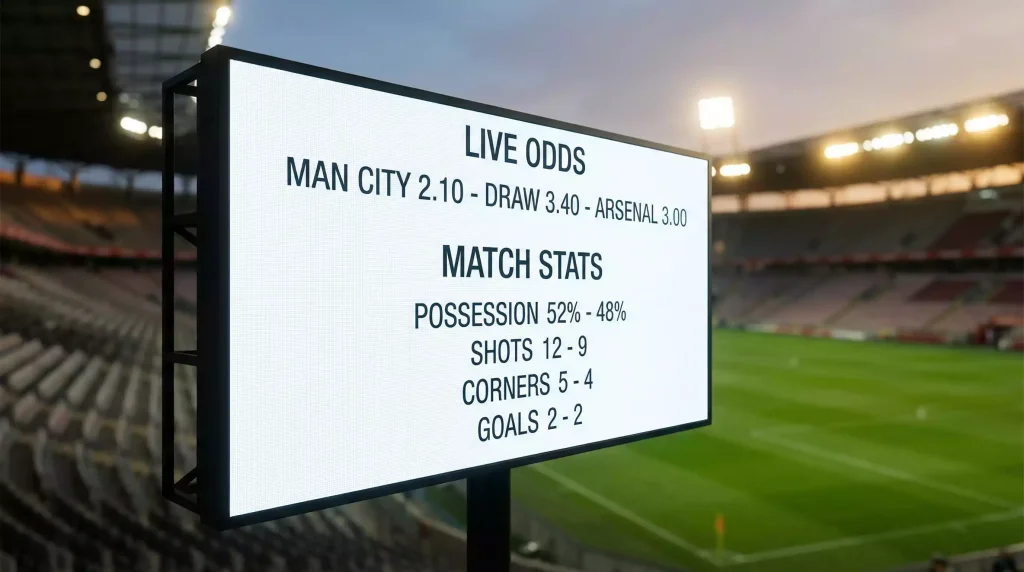
Table of Contents
Every profession has its language. Medicine has its Latin roots, law has its precedents, and sports betting has a vocabulary that can bewilder newcomers while empowering those who master it. Walking into a conversation about Asian handicaps, juice, and steam moves without understanding these terms is like trying to read a menu in a language you’ve never studied.
Over my years analyzing soccer betting markets, I’ve watched countless newcomers struggle not with the strategic concepts but with the basic vocabulary. They grasp that betting involves predicting outcomes, yet they stumble when someone mentions a push or asks about the vig. This glossary bridges that gap.
Below you’ll find over seventy terms that regularly appear in soccer betting discussions, organized alphabetically for easy reference. Each definition includes Canadian context where relevant, whether that’s our preferred decimal odds format or the provincial regulatory landscape. Consider this your phrasebook for navigating World Cup 2026 betting conversations with confidence.
A through D
Accumulator: A single bet combining multiple selections where all must win for the bet to pay. Called a parlay in North American terminology. A four-leg accumulator on World Cup group winners would require all four predicted winners to top their groups. The appeal lies in multiplied odds, but each additional leg compounds the sportsbook’s edge against you.
Action: Any bet or wager placed with a sportsbook. When someone says there’s “heavy action” on Brazil, they mean significant money is being wagered on that outcome. Action also refers to whether a bet is valid; if a key player withdraws and your bet still stands, you have action.
Against the Spread (ATS): Refers to betting with the point spread rather than the straight moneyline. A team’s ATS record tracks how often they’ve covered the spread, which can differ significantly from their win-loss record. A strong team that wins narrowly might be profitable to bet against ATS.
AGCO: The Alcohol and Gaming Commission of Ontario, the regulatory body overseeing legal sports betting in Ontario. Any licensed operator accepting Ontario bets must hold AGCO approval, which requires meeting strict standards for consumer protection, responsible gambling, and financial security.
Arbitrage: Exploiting odds differences between sportsbooks to guarantee profit regardless of outcome. If one book offers Canada at +300 and another offers Switzerland at -200 for the same match, careful calculation might reveal a risk-free opportunity. Sportsbooks actively monitor for arbitrage bettors and may limit accounts engaged in this practice.
Asian Handicap: A spread betting system that eliminates the draw by using quarter and half goal increments. Unlike traditional three-way betting, Asian handicaps always produce a winner. A bet on Canada -0.25 against Qatar wins fully if Canada wins by two or more, returns half the stake if Canada wins by one, and loses if Qatar wins or draws.
Bankroll: The total amount of money dedicated to betting. Professional bettors treat their bankroll as business capital, typically risking only one to five percent on any single wager. Your bankroll isn’t your rent money or emergency fund; it’s funds you’ve specifically allocated for wagering purposes.
Betting Exchange: A platform where bettors wager against each other rather than against a sportsbook. The exchange takes a commission on winning bets. Betfair is the largest exchange globally. Exchange odds often differ from traditional sportsbooks and allow bettors to “lay” outcomes, essentially acting as the house.
Bookmaker: The entity accepting bets and setting odds. Also called a sportsbook, bookie, or book. In Canada’s legal market, bookmakers must be licensed by provincial regulators. The bookmaker profits by building a margin into their odds, ensuring they pay out less than they take in over time.
Both Teams to Score (BTTS): A popular soccer market where you bet on whether both teams will score at least once during the match. BTTS doesn’t care who wins; it only concerns whether each team finds the net. High-scoring group stage matches often see BTTS priced around -120 to -140.
CAD: Canadian Dollar, the currency used for betting on all licensed Canadian platforms. When comparing odds across international sites, account for currency conversion costs. Most reputable Canadian-facing sportsbooks accept deposits and process withdrawals in CAD without conversion fees.
Chalk: The favorite in any matchup. Heavy chalk refers to a significant favorite with very short odds. Betting the chalk consistently seems safe but the reduced payouts make long-term profit difficult without exceptional selection skill.
Closing Line: The final odds offered before a match begins and betting closes. Sharp bettors track whether they consistently beat the closing line, as doing so indicates finding value before the market corrects. If you bet Canada at +280 and they close at +240, you beat the closing line.
Cover: To win against the spread. If Switzerland is favored by -1.5 goals and wins 3-1, they’ve covered the spread. A bet on them succeeds because their margin of victory exceeded the spread requirement.
Dead Heat: When two or more competitors tie in a market that requires a single winner, such as Golden Boot. If two players finish as joint top scorers, dead heat rules typically pay each bet at a fraction of the odds. A dead heat between two players pays half; between three players, one-third.
Decimal Odds: The odds format standard in Canada, showing total return on a winning bet including the stake. Odds of 3.50 mean a $100 bet returns $350 total if successful. To find implied probability, divide one by the decimal odds: 1/3.50 = 28.6% implied chance.
Dog: Short for underdog, the team or outcome expected to lose. The dog always carries positive American odds or decimal odds above 2.00. Finding value often involves identifying dogs more likely to win than their odds suggest.
Double Chance: A bet covering two of three possible outcomes in soccer. Options include Home or Draw, Away or Draw, and Home or Away. This market sacrifices odds for security, useful when backing a slight underdog with reduced risk. Double chance eliminates the draw as a losing outcome for that selection.
Draw No Bet (DNB): A market that refunds your stake if the match ends in a draw. You only win if your selected team wins outright, and only lose if the other team wins. DNB removes draw risk but offers shorter odds than standard moneylines.
E through H
Each Way: A bet type splitting your stake between win and place positions. In Golden Boot betting, an each-way bet pays full odds if your player wins and reduced odds if they finish in the top three. Each way effectively creates two separate bets from one selection.
Edge: The mathematical advantage held by one party over another. Sportsbooks build their edge through the vigorish. Skilled bettors seek to identify their own edge through superior analysis or information. A true edge produces profit over large sample sizes even with individual losses.
Even Money: Odds of exactly 2.00 in decimal format or +100 in American format. An even money bet returns precisely double your stake if successful. Neither side has a mathematical advantage at these odds, though sportsbooks rarely offer true even money without some margin.
Expected Value (EV): A calculation determining the average profit or loss per bet over time. Positive expected value (+EV) bets profit long-term; negative expected value (-EV) bets lose. If you believe Canada has a 40% chance to beat Switzerland but the odds imply only 30%, that’s a +EV situation.
Exotic Bet: Any wager beyond standard moneylines, spreads, and totals. World Cup exotics include bets on exact final scores, tournament statistics, player milestones, and novelty markets like which continent will produce the champion.
Favourite: The expected winner of any matchup, indicated by negative American odds or decimal odds below 2.00. Favourites are priced to reflect their higher probability of winning, meaning successful bets pay less than the amount risked.
First Goal Scorer: A bet on which player will score the opening goal of a match. These markets carry high juice due to the difficulty of prediction. If your selected player doesn’t feature (doesn’t play), most books refund the stake.
Fixture: A scheduled match between two teams. The World Cup 2026 fixture list includes 104 matches across the group stage and knockout rounds. Sharp bettors often focus on specific fixtures where their analysis provides the greatest edge.
Fractional Odds: The traditional British odds format showing profit relative to stake. Odds of 5/2 mean five dollars profit for every two dollars staked. While common in UK markets, Canadian platforms predominantly use decimal format.
Full Time Result: The standard three-way moneyline market: home win, draw, or away win. Full time result settles on the score after ninety minutes plus injury time, not including extra time or penalties in knockout matches.
Futures: Bets on outcomes determined after multiple events, such as tournament winner or Golden Boot. Futures are placed before or during a tournament and settled when the relevant competition concludes. The further from resolution, the higher potential payouts but greater uncertainty.
Handicap: Points added or subtracted from a team’s final score for betting purposes. A Switzerland -1 handicap means they must win by more than one goal for bets on them to succeed. Handicaps create more balanced betting options when one team is heavily favored.
Hedge: Placing a bet opposite to an existing position to guarantee some profit or limit potential losses. If you hold a futures bet on Canada to win the World Cup and they reach the final, you might hedge by betting on their opponent, ensuring profit regardless of outcome.
Hook: Half a point in spread betting. A 1.5-goal spread is “two with the hook,” meaning the underdog effectively gets an extra half-goal cushion. The hook determines whether specific scorelines result in wins or losses rather than pushes.
House Edge: The mathematical advantage held by the sportsbook, built into odds through the vigorish. On a standard market, house edge ranges from two to ten percent depending on the bet type and book. Understanding house edge helps evaluate which markets offer better value.
I through L
Implied Probability: The likelihood of an outcome occurring as suggested by betting odds. Calculate by dividing one by decimal odds: odds of 4.00 imply a 25% chance. When your assessed probability exceeds the implied probability, you’ve potentially found value.
In-Play Betting: Placing wagers while a match is ongoing. Also called live betting. Odds shift in real-time based on game events. A red card, goal, or shift in momentum immediately affects in-play lines. This market requires quick decision-making and careful attention to match flow.
Juice: Another term for vigorish, the commission sportsbooks charge on bets. Standard juice on point spreads is -110 on each side, meaning you must risk $110 to win $100. Lower juice markets offer better value. Also called vig, margin, or overround.
Laying: Betting against an outcome on a betting exchange. When you lay Brazil to win, you profit if they draw or lose. Laying is effectively taking the bookmaker’s position. Only available on exchanges like Betfair, not traditional sportsbooks.
Limit: The maximum amount a sportsbook will accept on a specific bet. High limits indicate market confidence; low limits suggest the book is uncertain or protecting itself. Sharp bettors often face account limits as books recognize their skill.
Line: The odds or point spread for a specific bet. “What’s the line on Canada-Switzerland?” asks for the current odds. Lines can move before events based on betting action, news, or sharp money.
Line Movement: Changes in odds between opening and closing. Movement toward a team suggests significant money arriving on that side. Understanding line movement helps identify where sharp bettors are placing their action. Steam moves are particularly dramatic and rapid line shifts.
Live Odds: The continuously updated odds during in-play betting. Live odds respond to every goal, card, and tactical change. These markets close temporarily during significant events and reopen at adjusted prices.
Lock: A supposedly certain winner. In reality, no bet is a lock. This term often signals overconfidence or promotional hype rather than genuine analysis. Experienced bettors avoid using “lock” because it misrepresents the inherent uncertainty in all wagering.
Long Shot: A significant underdog with very low probability of winning. Long shot odds typically start around +1000 and can extend to +50000 or beyond for extreme outcomes. Canada winning the World Cup at +15000 qualifies as a long shot.
M through P
Market: Any betting option offered by a sportsbook. A single match might have dozens of markets: moneyline, totals, spreads, first scorer, correct score, corners, cards, and countless props. Major tournaments like the World Cup feature hundreds of unique markets daily.
Middle: Winning both sides of a bet by hitting a score that falls between two different lines. If you bet Under 3.5 goals at one book and Over 2.5 at another, a three-goal match wins both wagers. Middles are rare but represent the holy grail of advantageous betting.
Moneyline: A bet on which team will win outright, without any spread. In soccer, moneylines typically include three options: home win, away win, and draw. North American terminology uses moneyline; British markets call it match result or 1X2.
Odds: The numerical representation of a bet’s potential payout and implied probability. Odds are expressed in decimal (2.50), American (+150), or fractional (3/2) formats. All three express the same mathematical relationship differently.
Odds Compiler: The person or algorithm responsible for setting betting lines at a sportsbook. Compilers balance their own analysis against anticipated betting action. The best compilers set lines that attract equal action on both sides, locking in profit regardless of outcome.
Opening Line: The first odds posted for a particular market. Opening lines often differ from closing lines as the market absorbs information and betting action. Bettors who consistently beat opening lines generally have an informational advantage.
Over/Under: A bet on whether the total goals (or other statistic) will exceed or fall below a specified number. Over 2.5 goals wins if three or more goals are scored. Under 2.5 wins with two or fewer. Half-goal increments eliminate push possibilities.
Parlay: A single bet combining multiple selections, all of which must win. American terminology for accumulator. Parlays offer exponentially higher payouts but exponentially lower success rates. The sportsbook edge compounds with each additional leg.
Pick’em: A matchup with no favourite, priced at even money on both sides. True pick’em markets are rare in soccer, where home advantage and team quality usually create clear favourites. The term indicates the sportsbook considers the match a coin flip.
Point Spread: The margin of victory required for a favourite to cover. Spreads are less common in soccer than basketball or football because draws and one-goal margins are frequent. Asian handicaps serve a similar function in soccer markets.
Prop Bet: A wager on a specific occurrence within a game rather than the final result. Player props include goalscorer, assists, and shots. Team props might cover corners, cards, or first half results. World Cup props extend to tournament-wide propositions.
Public: Casual bettors who typically back favourites, popular teams, and overs. The public’s tendencies create opportunities for contrarian sharps. When heavy public money lands on one side, the line moves, potentially creating value on the other.
Push: A bet that neither wins nor loses because the final result exactly matches the spread. Your stake is refunded. Whole number spreads like -1 or -2 can push; half-point spreads cannot. Pushes frustrate bettors but protect sportsbook profits.
Q through T
Recreational Bettor: Someone who bets for entertainment rather than profit. Rec bettors provide the liquidity that makes sports betting profitable for sharps and sportsbooks alike. No shame in recreational betting, but understanding your category informs appropriate bankroll management.
Return on Investment (ROI): Profit divided by total amount wagered, expressed as percentage. An ROI of 5% means five dollars profit per hundred dollars bet. Professional bettors typically achieve ROI between 2-10% over large sample sizes. ROI below zero indicates net losses.
Reverse Line Movement: When a line moves opposite to the expected direction based on betting percentages. If 75% of bets back Canada but the line moves toward Switzerland, sharp money is likely on Switzerland. This phenomenon helps identify where professional bettors stand.
Same-Game Parlay (SGP): A parlay combining multiple bets from the same match. You might combine Canada to win, Jonathan David to score, and under 3.5 total goals into one SGP. These bets carry high juice but appeal through their single-event narrative.
Sharp: A sophisticated bettor whose opinion influences line movement. Sharps typically have large bankrolls, historical profitability, and access to superior information or analysis. When a sharp bets, sportsbooks adjust their lines, knowing that sharp money tends to be right.
Spread: See Point Spread. The number of goals a team must win by (or not lose by) for spread bets to succeed. In soccer, spreads are less prevalent than moneylines due to the sport’s low-scoring nature.
Square: A casual or novice bettor. The opposite of sharp. Square money tends to follow public trends, bet favourites, and overvalue recent performance. Sportsbooks profit primarily from squares.
Stake: The amount of money wagered on a bet. Proper stake sizing, typically 1-5% of bankroll, protects against variance and ensures longevity. Your stake should never be so large that losing causes financial distress.
Steam Move: Rapid, dramatic line movement caused by significant sharp action. When multiple sportsbooks simultaneously adjust odds in the same direction, steam has hit. These moves happen fast; capitalizing requires having accounts funded and ready at multiple books.
Straight Bet: A single wager on one outcome. The opposite of a parlay. Straight bets offer lower maximum payouts but higher success rates and are preferred by most professional bettors.
Teaser: A bet allowing you to adjust point spreads in your favour across multiple games, at reduced odds. Teasers are popular in NFL betting but rare in soccer due to different scoring patterns. The concept involves trading odds for improved spreads.
Ticket: A betting slip or confirmation of your wager. Digital tickets replace paper slips at modern sportsbooks. Always verify ticket details before confirmation, as errors are typically your responsibility.
Total: See Over/Under. The combined score of both teams used for over/under betting. World Cup group stage totals typically range from 2 to 3 goals, while knockout matches trend lower.
Tout: Someone selling betting picks or predictions. The tout industry ranges from legitimate analysts to outright frauds. Verify historical records (with documented proof) before paying for any handicapping service. Most touts fail to beat the closing line consistently.
Trend: A historical pattern in betting outcomes, like a team covering spreads consistently in certain situations. Trends provide context but don’t guarantee future results. Overreliance on trends without understanding underlying causation leads to disappointment.
U through Z
Underdog: The expected loser in any matchup. Underdogs carry positive American odds or decimal odds above 2.00. Successful underdog betting requires identifying situations where the market underestimates a team’s chances.
Unit: A standardized measure of bet size, typically one percent of bankroll. Expressing results in units rather than dollars allows comparison across different bankroll sizes. “I’m up twenty units this month” describes performance without revealing actual amounts.
Value: When odds offer greater return than the actual probability warrants. Value is the foundation of profitable betting. A bet isn’t good because it wins; it’s good because the odds exceeded the true likelihood. Finding value consistently is what separates winners from losers.
Value Bet: A wager where the bettor believes the true probability exceeds the implied probability of the odds. If you assess Canada’s chances against Bosnia at 60% but the odds imply only 50%, you’ve found a value bet. Even value bets lose sometimes; they just win often enough to profit long-term.
Vig: Short for vigorish, the commission embedded in betting odds. Also called juice, margin, or overround. The vig ensures sportsbook profitability. Standard vig on even markets is roughly 10%, meaning both sides are priced at -110 instead of +100.
Vigorish: The bookmaker’s commission on bets, built into the odds. When both sides of a bet are priced at -110, you must risk $110 to win $100, giving the book a built-in profit margin regardless of outcome. Minimizing vig paid is crucial for long-term profitability.
Wager: Any bet placed with a sportsbook. The terms wager and bet are interchangeable. Understanding wagering fundamentals precedes successful implementation of advanced strategies.
Win Rate: The percentage of bets that win. Sharp bettors typically win 52-58% of spread bets long-term. Higher win rates indicate either skill or luck; sustainable higher rates indicate skill. Win rate alone doesn’t determine profitability; odds matter equally.
Withdrawal: Removing funds from your sportsbook account. Know your book’s withdrawal methods, timeframes, and any fees. Responsible gambling includes regular withdrawals rather than letting winnings accumulate indefinitely in betting accounts.
Wise Guy: Another term for a sharp bettor. Wise guys move lines and command respect (or suspicion) from sportsbooks. The term carries a slightly old-school connotation, evoking the serious professional bettors of previous decades.
World Cup Winner: The primary futures market for World Cup betting, asking which nation will lift the trophy. This market opens years in advance and adjusts throughout qualifying and the tournament itself. Long-term holders can secure early value but sacrifice liquidity.
Speak Like a Pro
Language shapes thought. When you understand the vocabulary of sports betting, you begin thinking more clearly about the activity itself. The difference between a recreational bettor and a sharp often starts with terminology: one calls it a sure thing, the other calculates expected value.
This glossary provides the foundation. The terms above appear throughout our World Cup 2026 coverage, and understanding them unlocks the deeper strategic discussions in our comprehensive betting guide. Whether you’re comparing Asian handicap prices across multiple sportsbooks or evaluating a same-game parlay’s implied probability, you now have the vocabulary to express these concepts precisely.
Bookmark this page. Return to it when you encounter unfamiliar terminology in the wild. And remember: the best bettors aren’t just fluent in the language of betting, they’re also disciplined, analytical, and humble enough to recognize that luck plays a role in any individual outcome. The language helps you think clearly; the discipline helps you bet wisely.
